
1.Personalized Shopping Like Never Before
AI has transformed how boutique customers are served. In order to provide hyper-individualized recommendations, sophisticated algorithms now examine surfing habits, past purchases, preferred styles, and even social media activity. For instance, if a consumer favours earthy tones and minimalist styles, AI-driven systems may instantly curate goods matching their taste – both online and in-store. Customers no longer have to sort through an endless number of items thanks to this degree of personalisation. Nowadays, boutiques may provide a more customised experience, similar to having a personal stylist, which raises client happiness and increases revenue.
2.Virtual Try-Ons and AR Mirrors
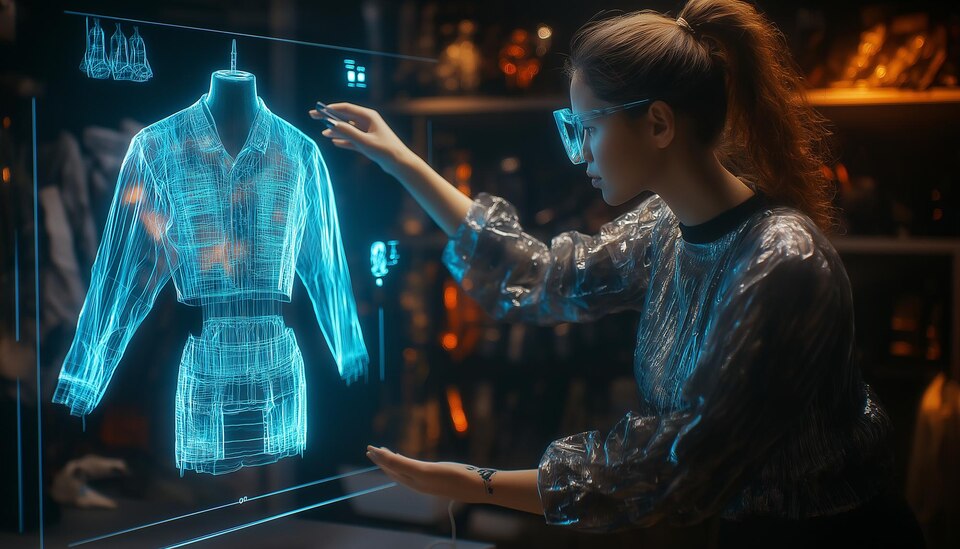
Virtual try-on technology is among the most intriguing advancements in digital fashion. Customers may see how clothes products will appear on them without physically trying them on thanks to artificial intelligence (AI) and augmented reality (AR). Customers can virtually “wear” clothing in stores using augmented reality mirrors or even smartphone apps, allowing them to instantly assess fit, colour, and style.This is particularly helpful when it comes to online boutique shopping, where the inability to try items before purchasing has been one of the main obstacles. Boutiques may decrease returns and boost customer confidence by bridging the gap between the digital and physical experiences with virtual try-ons.
3.AI Stylists and Chatbots
Chatbots and virtual stylists driven by AI are transforming consumer service. They offer immediate help by making outfit recommendations, advising on size, and even finishing ensembles with a single item. Because these digital assistants are available around-the-clock, boutique brands can provide a high-end, personalised, and always-on purchasing experience. AI also gains knowledge over time. It becomes more adept at suggesting items you’ll adore the more you shop, which fosters client loyalty and makes every visit feel novel and motivating.
4.Digital Fashion and Virtual Wardrobes
5.Enhanced In-Store Experiences
Additionally, AI gives boutique owners access to better client analytics, trend forecasting, and inventory management. AI may play personalised music, change lighting to match collections, and activate dynamic displays in-store based on who enters. Customers return because of the engaging and unforgettable experience this produces.